What to Expect From Your Dental Implant Procedure in Tampa, FL
"My Dental Condition Led to a Heart Attack."
"My Dental Condition Led to a Heart Attack."
Precision-Planned. Surgeon-Led Built for Long-Term Success.
The dental implant process is one of the most well-documented and predictable procedures in modern oral surgery. At Rock Solid Smiles, every step is managed by our team of board-certified oral surgeons from start to finish. While the full process spans several months, most of that time is healing, not active treatment, and patients are often surprised by how manageable the experience is from the very first appointment.
Your personal timeline will depend on your current oral health, the implant solution you are receiving, and whether any preparatory procedures are needed before placement. What will not vary is the level of planning, precision, and care that goes into every phase of your treatment.
Your Step-by-Step Implant Process
Step 1: Consultation and 3D Diagnostic Imaging
Your journey begins with a comprehensive consultation with our oral surgery team. This appointment is not a brief meet-and-greet. It is a thorough clinical evaluation that forms the foundation of your entire treatment plan.
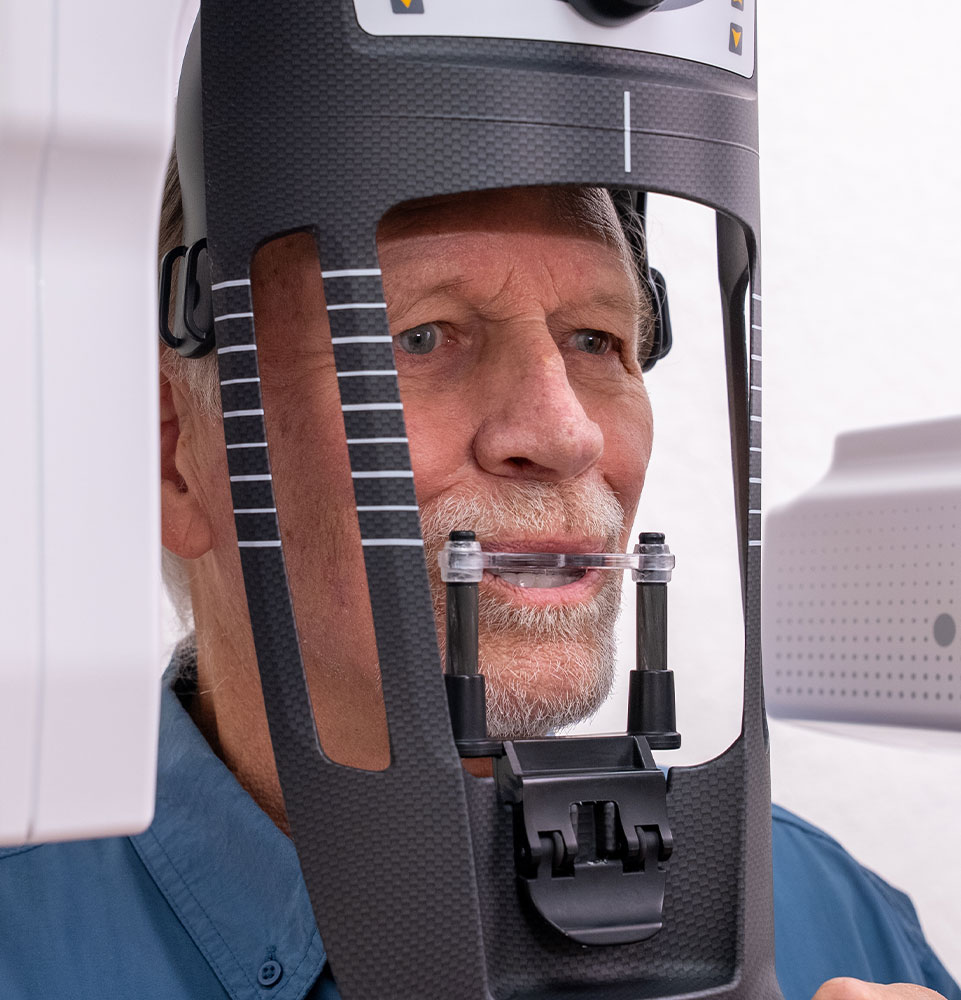
Using advanced 3D CBCT imaging, our surgeons capture a complete picture of your jawbone density, bone volume, nerve pathways, sinus anatomy, and gum condition. This level of diagnostic detail allows us to plan the exact position, depth, and angulation of every implant post before a single incision is made, which is what makes precise, minimally invasive placement possible.
During this appointment, we also review your full medical and dental history, discuss your smile goals, walk you through your implant options, and outline the complete timeline and cost of your treatment plan. You will leave with a clear understanding of every step ahead.
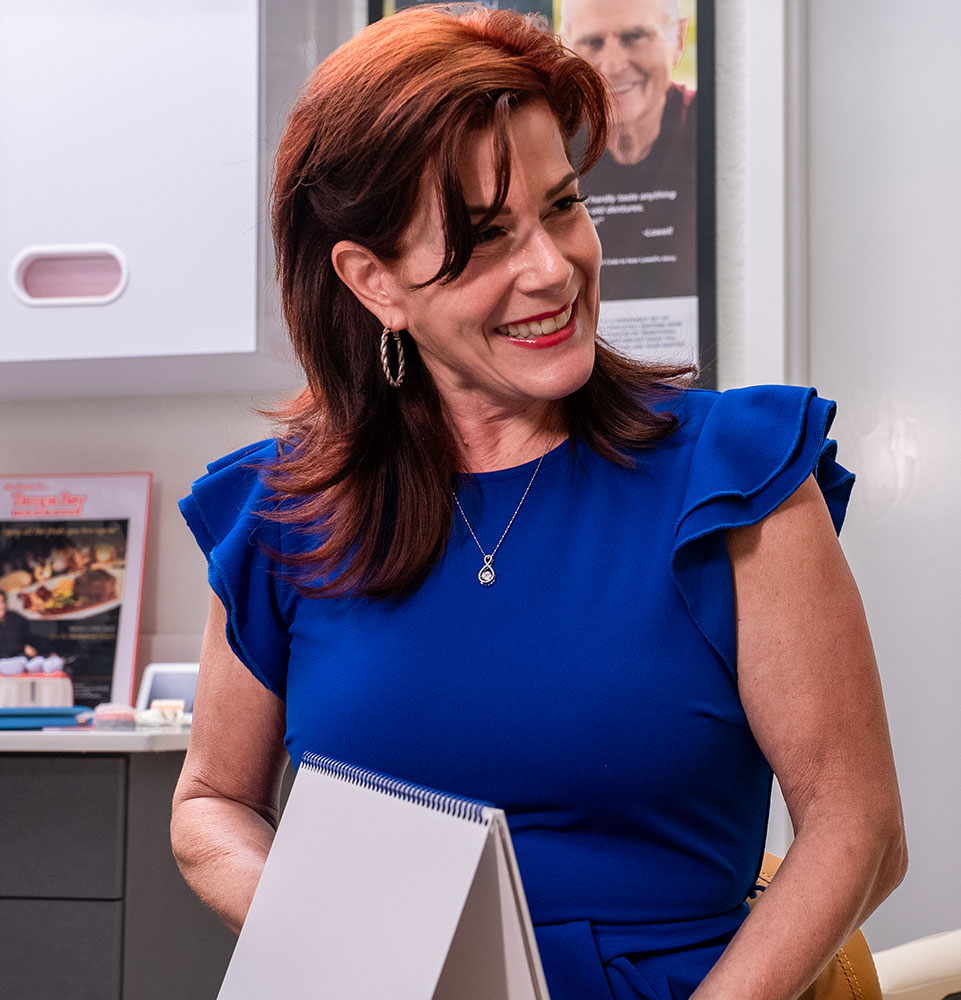
Step 2: Personalized Treatment Planning
Once your imaging and health history have been reviewed, our team builds a fully customized treatment plan through the Rock Solid Implant System protocol. This includes determining the appropriate type and number of implants for your case, identifying and sequencing any preparatory procedures needed, and designing your final restoration with your aesthetic goals and facial features in mind.
If bone grafting, tooth extractions, sinus augmentation, or periodontal treatment are required before implant placement, those are mapped into your timeline at this stage. Sedation and anesthesia options are discussed and finalized so your comfort is accounted for before you ever arrive for surgery.
Nothing about your treatment plan is templated. Every decision is made based on your specific clinical picture.
Step 3: Preparatory Procedures (When Needed)
- Tooth extractions for failing, infected, or non-restorable teeth
- Bone grafting to rebuild jawbone volume lost through resorption or extraction
- Sinus lift procedures to create adequate bone height in the upper posterior jaw
- Periodontal treatment to bring active gum disease under control before surgery
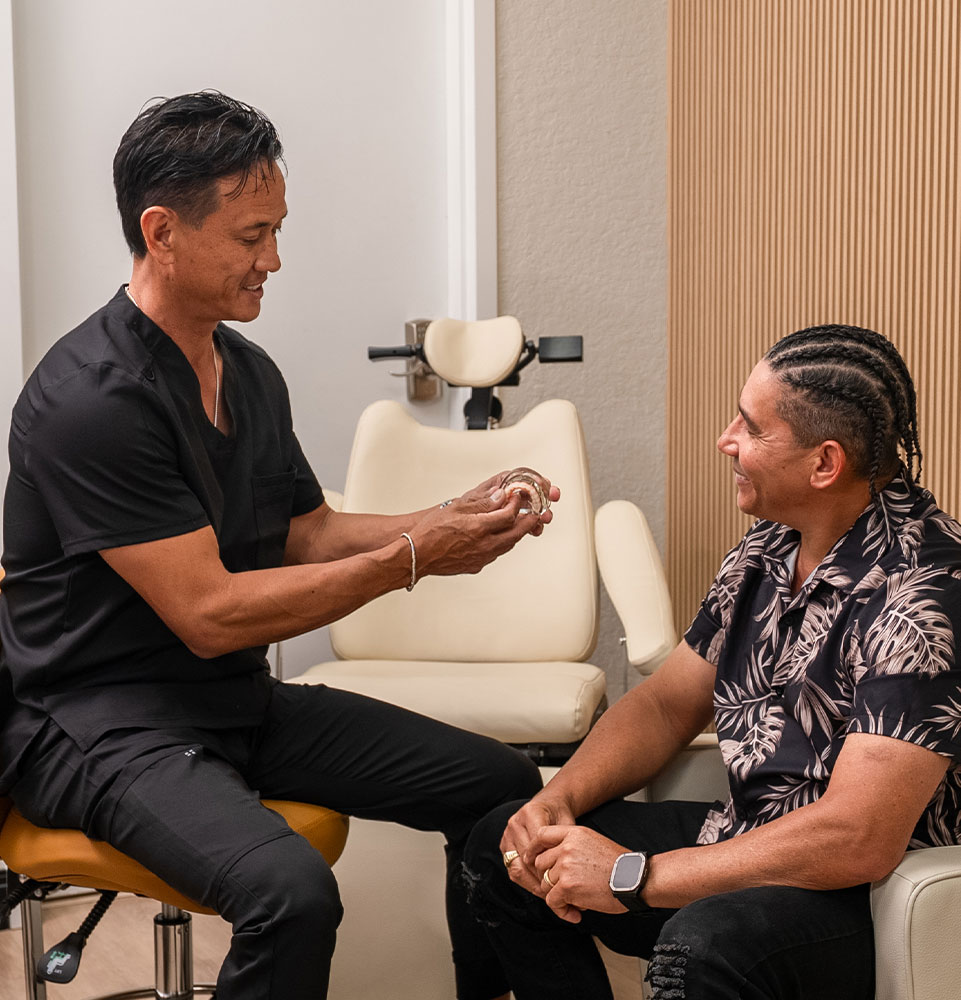
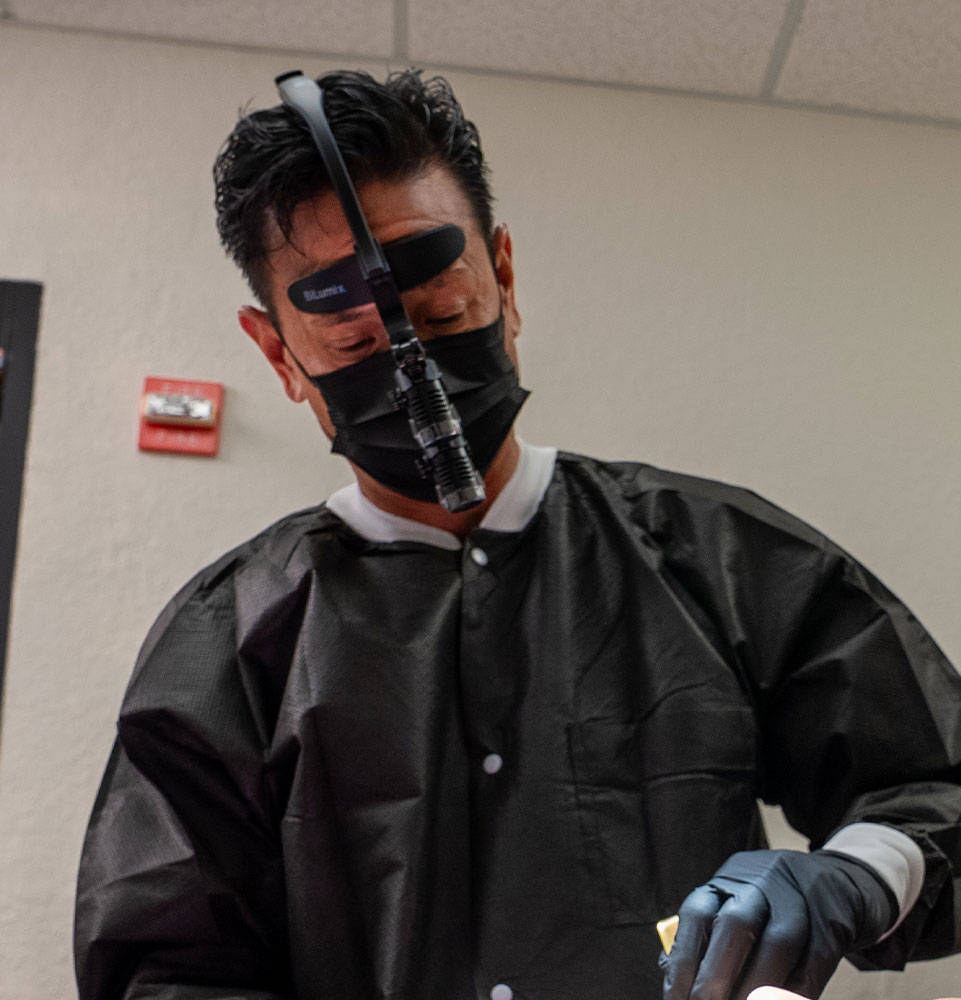
Step 4: Implant Placement Surgery
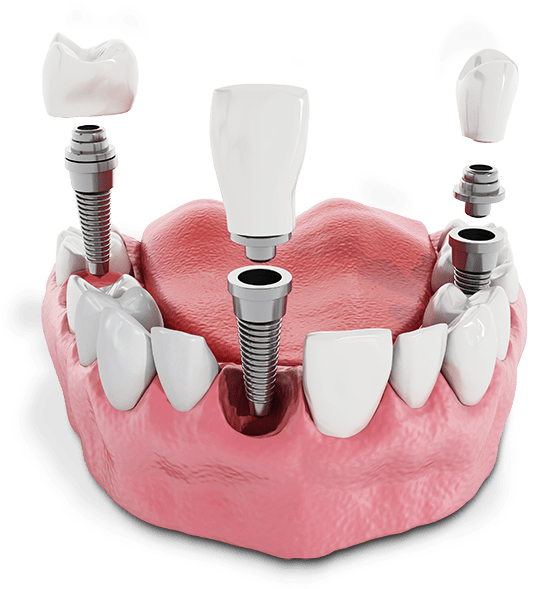
Implant placement is performed in our surgical suite by our board-certified oral surgeons using precision-guided techniques based directly on your 3D imaging and pre-surgical plan. A surgical guide may be used to ensure each implant post is placed at the exact position, depth, and angle planned during your consultation.
You will be kept completely comfortable throughout the procedure with your chosen sedation or anesthesia option. Most patients report that the experience is far more manageable than they anticipated, and many are surprised by how little discomfort they have in the hours following surgery.
For qualifying full-arch cases, temporary fixed teeth may be placed on the same day as implant surgery, allowing you to leave with a functional smile. For other cases, a temporary restoration or healing cap is placed while your implants begin the integration process.
Step 5: Healing and Osseointegration
Following placement, your implants begin fusing with the surrounding jawbone through a biological process called osseointegration. This is the phase that gives implants their exceptional long-term stability, and it cannot be rushed. Depending on your case, osseointegration typically takes anywhere from three to six months to complete.
During this period, most patients experience only mild soreness and swelling in the first several days, with the remainder of the healing process being largely comfortable. You will have scheduled follow-up visits with our team throughout this phase to monitor your healing, assess integration progress, make any necessary adjustments to your temporary teeth, and ensure your gums and surrounding tissues remain healthy. This phase requires some patience, but it is what makes the long-term result so reliable.
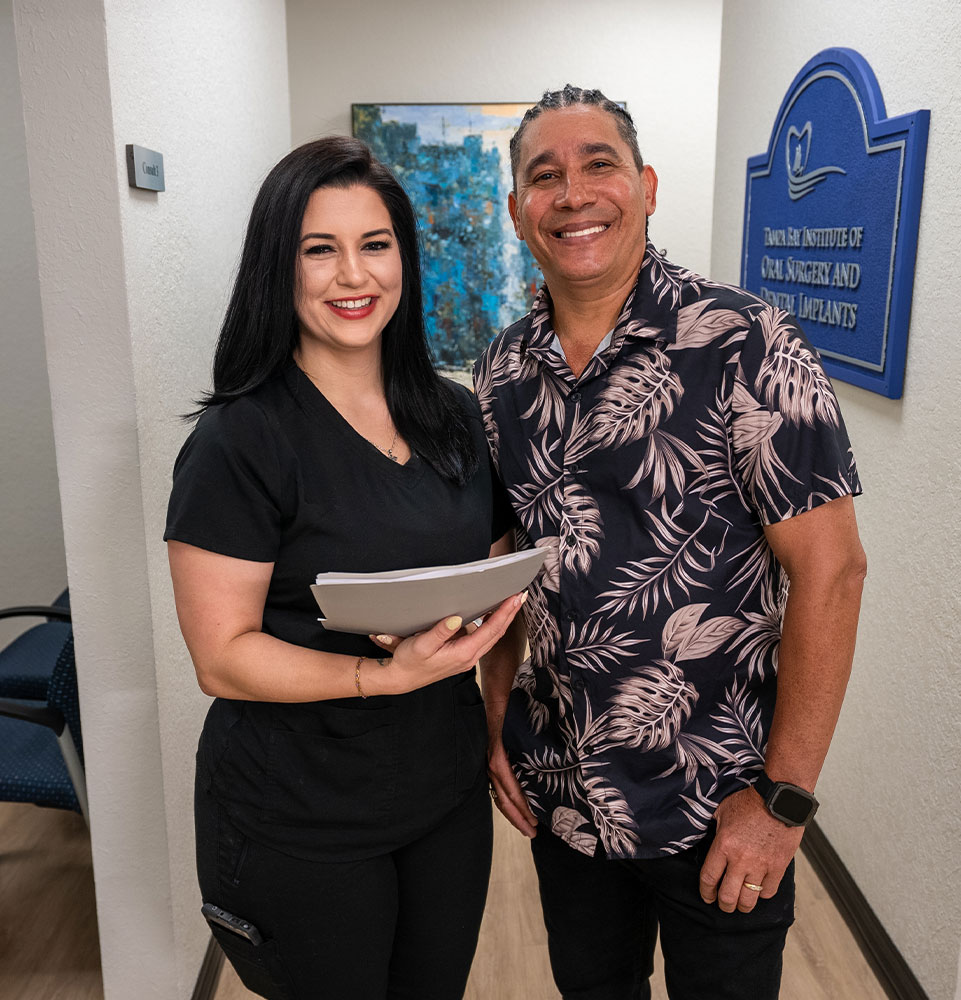
Step 6: Final Restoration Delivery
Once your implants have fully integrated and been tested for stability, your permanent custom restoration is fabricated and attached. Whether you are receiving a single crown, an implant-supported bridge, or a full-arch prosthesis, every restoration is designed with the same attention to detail.
Our team considers the shade, shape, size, and proportion of your replacement teeth relative to your facial features, lip line, bite, and any remaining natural teeth to create a result that looks like it was always there. Your final smile is tested for fit, function, and aesthetics before you leave, and any refinements are made at that visit. The result is a strong, natural-looking, permanently fixed smile that lasts for decades with routine care.
Step 7: Long-Term Maintenance and Follow-Up
Your relationship with Rock Solid Smiles does not end at final delivery. Long-term implant health depends on consistent professional maintenance and good home care, and our team supports you in both. We schedule regular check-ups and professional cleanings to monitor the health of your implants, surrounding bone, and gum tissue over time.
At each visit, we review your home care routine and ensure your implants are functioning exactly as they should. If any concerns arise between visits, our team is here to address them promptly. Implants are designed to last a lifetime. With the right maintenance, the vast majority of our patients never need to think about them again.

We Prioritize Your Comfort with Customized Sedation and Comfort Options
One of the most common concerns patients have about implant surgery is whether it will be painful. The honest answer is that most patients are genuinely surprised by how comfortable the experience is, and that is not by chance. It is the result of deliberate planning. At Rock Solid Smiles, our oral surgeons discuss and finalize your sedation and anesthesia preferences before surgery so you arrive knowing exactly what to expect.
Options vary depending on the complexity of your procedure and your personal comfort level, and our team will recommend the approach best suited to your case. Post-operatively, the first two to three days following surgery typically involve the most noticeable discomfort, which is manageable with prescribed or over-the-counter medication. After that initial period, most patients find the remainder of the healing process quite comfortable. The anxiety surrounding implant surgery almost universally exceeds the experience.
Factors That Can Affect Your Timeline
Every patient heals and progresses differently, and certain factors can add time or steps to your overall treatment timeline. Understanding these factors in advance helps set realistic expectations and removes any frustration if your process moves more slowly than someone else’s.
Systemic conditions such as uncontrolled diabetes, autoimmune disorders, or cardiovascular disease can affect how safely and efficiently your body heals following surgery. In these cases, we may require physician clearance or work with your medical team to ensure your health is optimized before treatment begins. Appropriately managing these conditions makes a safe, successful outcome possible.
Certain medications, particularly those affecting bone density, blood clotting, or immune response, can influence your healing process and may need to be reviewed with your prescribing physician before treatment. Sharing a complete and up-to-date medication list at your consultation helps our team identify potential considerations early and plan accordingly.
Bone grafting, sinus lifts, extractions, or periodontal treatment performed before implant placement will add time to your overall timeline. This is time well spent. These procedures build the foundation your implants need to succeed long term, and skipping or rushing them increases the risk of complications down the road.
Lower jawbone density can mean a longer osseointegration period, as the implant works to fuse with less-dense surrounding bone. In some cases, grafting performed before placement can improve the quality of the bone the implant integrates into, ultimately producing a more stable and durable long-term result.
Active gum disease creates an inhospitable environment for successful implant integration. If periodontal disease is present, it must be treated and stabilized before implant placement can proceed. Healthy gum tissue is not just a cosmetic consideration. It is a clinical necessity for long-term implant success.
Smoking significantly impairs circulation and the body’s ability to heal, increasing the risk of implant failure and post-surgical infection. Heavy alcohol use can also interfere with healing. Our team will discuss these factors openly during your consultation and guide recommended changes before and during treatment.
Every patient’s body integrates implants on its own timeline. Factors such as age, overall health, bone quality, and the implant’s location in the jaw all influence the rate of osseointegration. Our team monitors your progress at every follow-up visit and advances to the next phase of treatment only when your clinical indicators confirm that your implants are ready.
Oral infections, untreated decay, or abscesses in the area of planned implant placement must be fully resolved before surgery. Placing implants into an infected environment dramatically increases the risk of failure and post-operative complications. Addressing infections in advance protects both your health and your investment.
How to Support Your Healing with Small Daily Habits
The success of your implants depends not only on your team’s surgical skill but also on how your body heals in the days, weeks, and months following placement. These practical steps will support your recovery and provide your implants with the best possible environment for successful integration.
- Nutrition
- Oral Hygiene
- Hydration
- Tobacco Avoidance
- Physical Activity
- Follow Post-Operative Instructions
- Attend All Follow-Up Appointments
What to Expect After Your Restoration Is Placed
Once your final restoration is in place, the adjustment period is minimal for most patients. Your new teeth are designed to function exactly like natural teeth, and within a short time, the vast majority of patients stop thinking about them altogether. A few things to keep in mind in the months after your final delivery:
- Some mild sensitivity or awareness in the area is normal initially and resolves as the soft tissue fully matures around the restoration
- Your bite may feel slightly different at first as your jaw adjusts to the new restoration. Any persistent bite concerns should be communicated to our team at your follow-up visit so that minor adjustments can be made
- Your home care routine should include brushing twice daily, flossing, and, for full-arch patients, regular use of a water flosser beneath the prosthesis
- Professional cleanings and annual or biannual check-ups are essential for monitoring the long-term health of your implants and surrounding bone
Frequently Asked Questions
The full timeline from consultation through final restoration delivery varies depending on the complexity of your case and whether preparatory procedures are needed. A straightforward single-implant procedure can be completed in as few as 3 to 4 months. Full-arch cases or cases requiring bone grafting typically take 6 to 12 months or more. Our team will provide you with a personalized timeline estimate at your consultation so you can plan accordingly.
In most cases, no. For full-arch patients who qualify, temporary fixed teeth can be placed the same day as surgery. For single or partial implant cases, a temporary restoration is typically provided during the healing period so you are never without a functional solution while your implants integrate.
Most patients experience mild to moderate soreness, swelling, and bruising in the first 2 to 4 days after implant surgery. This is managed effectively with prescribed or over-the-counter pain medication. By the end of the first week, most patients are back to normal daily activities. The level of discomfort is consistently reported to be less than patients anticipated beforehand.
While complications are uncommon, it is important to contact our office promptly if you experience increasing pain or swelling after the first few days rather than improvement, signs of infection such as pus, persistent fever, or a foul taste, significant movement or looseness at the implant site, or numbness that persists beyond the first week. Early communication with our team allows us to address concerns quickly before they develop into more significant issues.
Many patients return to sedentary work, such as desk jobs, within 2 to 3 days after surgery. More physically demanding work may require a longer break of five to seven days or more. Your surgical team will give you specific guidance based on the nature of your procedure and your occupation.
With proper placement, good oral hygiene, and regular professional maintenance, dental implants are designed to last for decades and, in many cases, for a lifetime. The crown or prosthesis attached to the implant may eventually need replacement due to normal wear, but the implant post itself, once fully integrated, is intended to be permanent.
Are You A Candidate for Implants?
Schedule An Appointment
I understand the information disclosed in this form may be subject to re-disclosure and may no longer be protected by HIPAA privacy regulations and the HITECH Act.
Find out if you're a
candidate for dental implants
Answer the Following Questions To Learn more about our pricing and financing options.