If you are living with missing, failing, or uncomfortable teeth, there is a good chance dental implants can permanently restore your smile. At Rock Solid Smiles, our team of oral surgeons evaluates every patient with a thorough, individualized approach to determine the safest and most effective path to a complete, lasting smile.
Candidacy is not a simple yes-or-no. It is a clinical picture built from your bone health, gum condition, medical history, and long-term goals. Our job is to thoroughly assess that picture and help as many patients as possible qualify, even those who have been told implants are not an option for them.
Whether you are missing a single tooth or an entire arch, we are here to find out what is possible for you.

You may be an ideal candidate for dental implants if you are currently dealing with any of the following:
A combination of clinical, medical, and lifestyle factors determines dental implant candidacy. Our oral surgeons review all of these during your consultation to build a complete understanding of your case before making any recommendations.
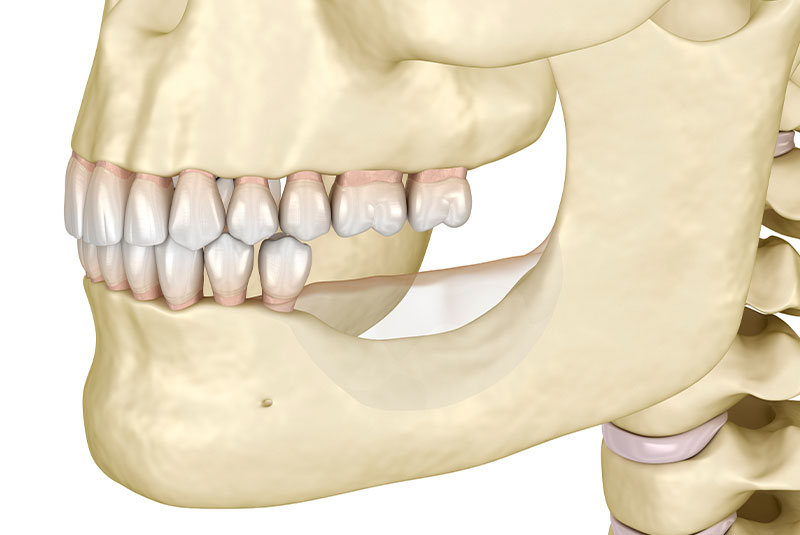
Adequate bone in the jaw is one of the most critical requirements for successful implant placement. The implant post must have enough healthy bone to anchor into and fuse with through a process called osseointegration. Without sufficient bone, an implant cannot achieve the stability it needs for long-term success.
If you have experienced bone loss due to tooth extraction, long-term denture use, or gum disease, that does not automatically disqualify you. As oral surgeons, our team performs bone grafting procedures to rebuild lost bone volume and create a strong foundation for implants. Many patients who assume they cannot get implants because of bone loss go on to have successful, lasting restorations after grafting.
Healthy gum tissue is essential for protecting the implant site and supporting long-term implant stability. Active gum disease, also called periodontitis, creates an environment where implants are at significantly higher risk of failure due to infection and continued bone loss around the post.
If gum disease is present, it must be treated and brought under control before implant placement can move forward. Our team evaluates gum health during every implant consultation and can coordinate the periodontal care needed to prepare your mouth for a successful procedure.
Your general health plays a direct role in how well your body heals following implant surgery. Certain systemic conditions, such as uncontrolled diabetes, autoimmune disorders, or conditions that require immunosuppressive medications, can affect healing and increase the risk of complications.
During your consultation, our team reviews your full medical history and, when necessary, coordinates with your primary care physician or specialist to ensure your health is optimized before treatment begins. Our goal is always a safe, controlled environment for your procedure and recovery.
Some medications can interfere with bone healing or increase bleeding risk during and after surgery. Bisphosphonates, commonly prescribed for osteoporosis, are among the most important to disclose, as they can affect osseointegration. Blood thinners, corticosteroids, and certain antidepressants may also be relevant to your candidacy evaluation.
Sharing a complete and up-to-date medication list at your consultation helps our team assess potential interactions and plan accordingly. In many cases, temporary adjustments in coordination with your prescribing physician allow treatment to proceed safely.
Smoking is one of the most significant lifestyle factors affecting implant success. Tobacco use impairs circulation, reduces the body’s ability to heal, and significantly increases the risk of implant failure and post-surgical infection. We strongly recommend that patients quit smoking before beginning implant treatment, and our team can discuss resources to help.
Oral hygiene habits also matter. Dental implants require the same consistent brushing and flossing as natural teeth, along with regular professional maintenance. Patients who are committed to their long-term oral health are the best candidates for dental implants in Tampa, FL.
Dental implants are generally not placed in patients whose jawbones are still developing, which means most candidates are 18 or older, though this can vary. There is no upper age limit for implants. Adults in their 70s, 80s, and beyond can be excellent candidates as long as their overall health supports surgery and healing.
Modern oral surgery techniques and advanced technology have made implants accessible to a wider range of patients than ever before. However, certain conditions may need to be treated before implant placement, or may indicate that an alternative approach is more appropriate for your situation. Conditions that may affect your candidacy include:
Because our team consists entirely of oral surgeons, Rock Solid Smiles is equipped to perform a range of preparatory and supportive procedures that many implant patients require before placement. This means your care stays coordinated under one roof, with one team that understands your complete clinical picture from start to finish.
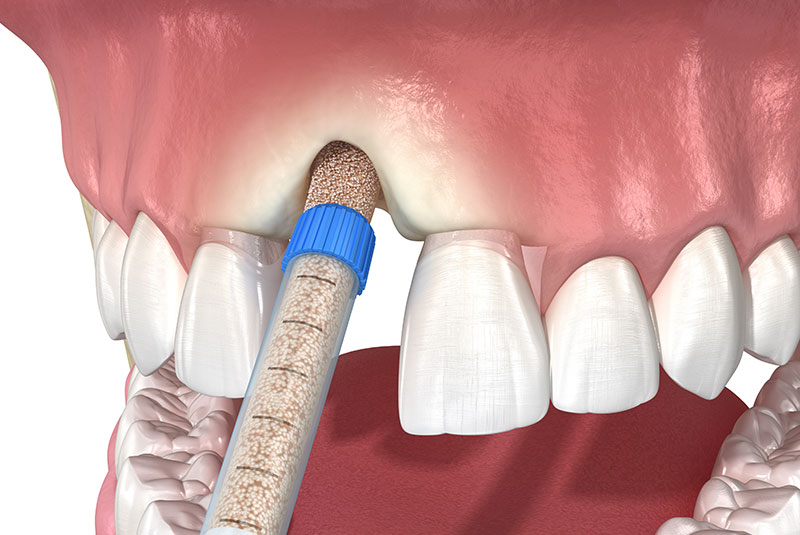
When jawbone loss has left insufficient volume to support an implant post, bone grafting rebuilds the foundation needed for successful placement. Grafts may use your own bone, donor material, or synthetic bone substitutes, depending on the extent of loss and the location in the jaw.
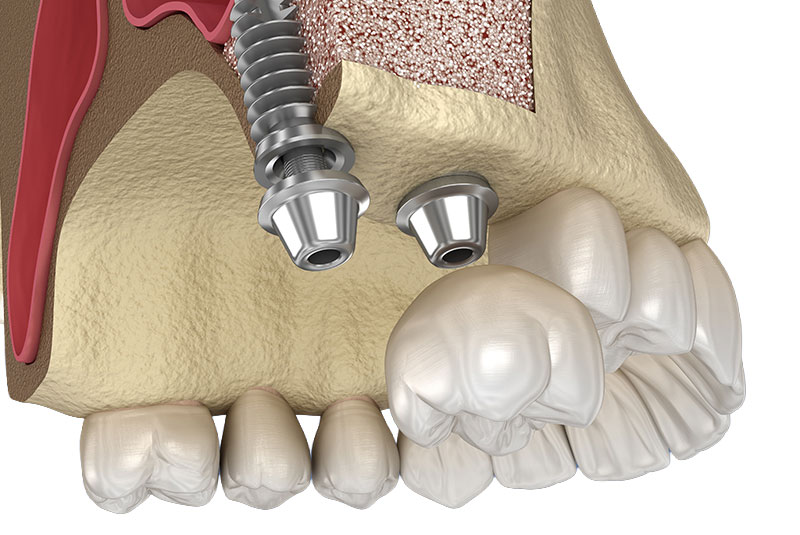
Upper jaw implants near the back of the mouth sometimes require a sinus lift procedure to create adequate vertical bone height beneath the sinus floor. This is a routine oral surgery procedure performed routinely by our team when the upper posterior bone volume is limited.
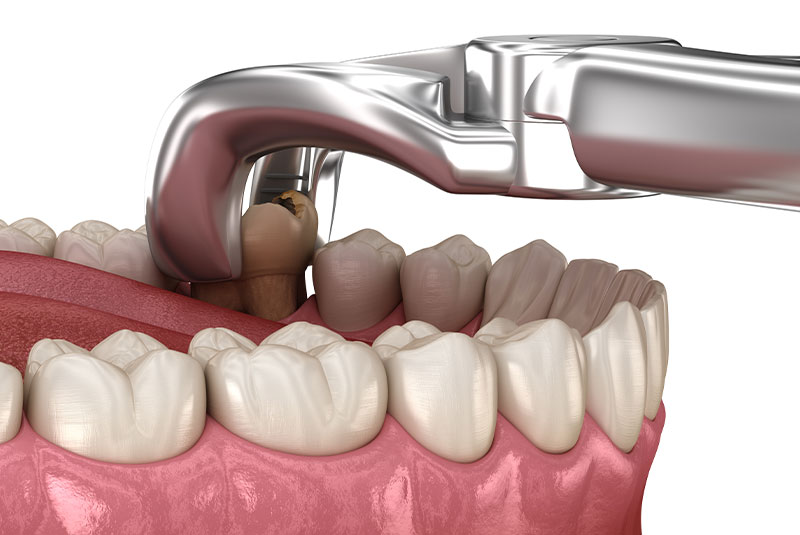
Failing, infected, or non-restorable teeth must be removed before implants can be placed. Our oral surgeons perform extractions as part of a comprehensive treatment plan, often sequencing them strategically to preserve as much bone as possible for future implant placement.
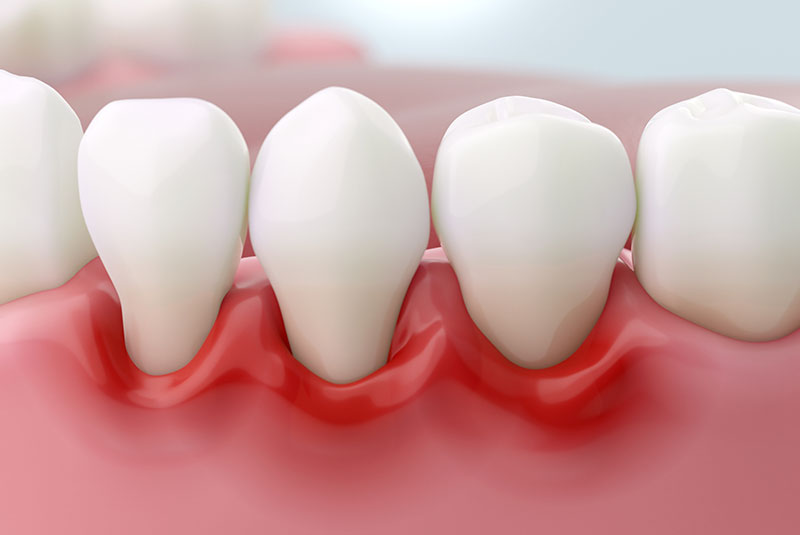
Active gum disease must be addressed before implant surgery. Our team can evaluate and treat periodontal conditions or coordinate with a periodontist when needed to ensure your gums are healthy and ready to support long-term implant success.
When a tooth is extracted, ridge preservation procedures can be performed simultaneously to maintain the height and width of the bone at the extraction site, making future implant placement more straightforward and predictable.
Dental implants have one of the highest long-term success rates of any surgical procedure in dentistry, consistently above 95% at the ten-year mark. However, as with any surgical procedure, it is important to understand that risks exist, even if they are uncommon. Potential risks our team discusses openly with every patient include:
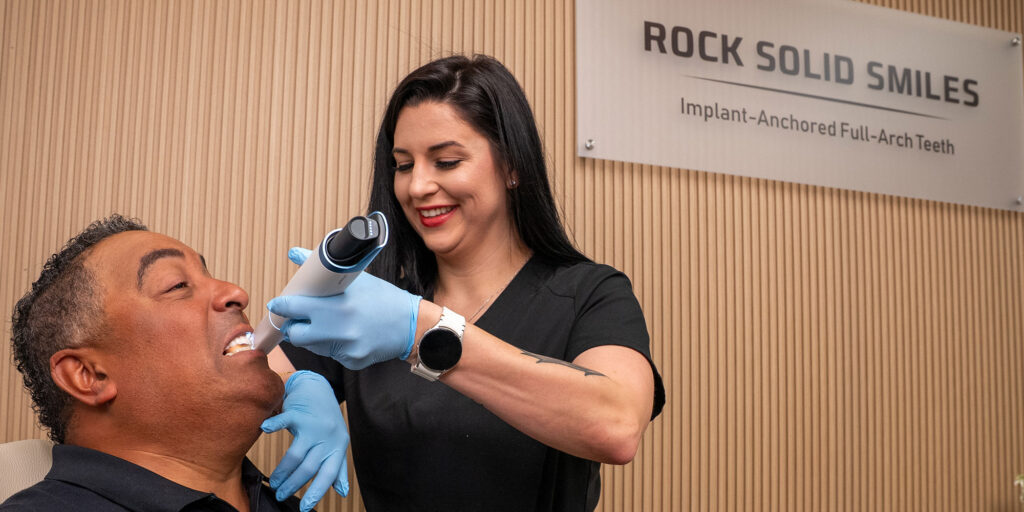
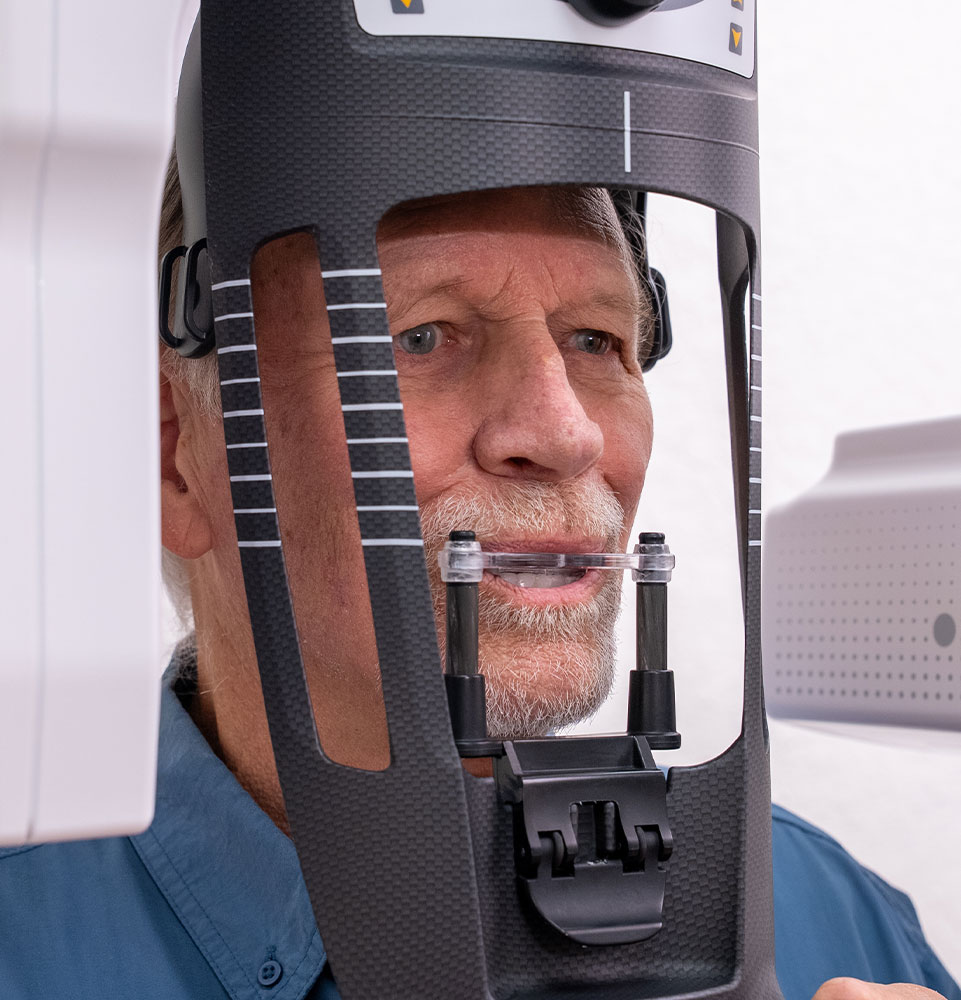
Your consultation begins with a full clinical exam and advanced 3D CBCT imaging, which provides our team with a detailed view of your jawbone density, bone volume, sinus anatomy, nerve pathways, and gum condition. This level of diagnostic detail is what makes precise, predictable implant planning possible.
Our team takes time to understand your complete health background, including current medications, chronic conditions, and prior dental work. We also discuss your smile goals, your concerns, and your preferences for sedation and pain management throughout your treatment.
Based on your imaging and health review, our oral surgeons will give you a clear, honest assessment of your implant candidacy. If you qualify, we will discuss your treatment options and begin outlining the Rock Solid Implant System plan designed specifically for your case. If preparatory care is needed first, we walk you through exactly what that involves and what to expect.
Before you leave your consultation, you will have a clear understanding of what your treatment involves, what it costs, and what financing options are available to you. No vague estimates, no surprises later.
Not all implant providers are the same. Dental implants are a surgical procedure, and the training, experience, and technology behind that surgery have a direct impact on your results, your safety, and your long-term success. At Rock Solid Smiles, every provider on our team is board-certified in oral surgery.
This means your implants are placed by specialists who have completed years of surgical residency training beyond dental school, specifically focused on the bone, tissue, and anatomy involved in implant placement. We manage complex cases, high-risk patients, and full-arch reconstructions that require a level of surgical expertise beyond what a general dentist with implant training can reliably provide. When you choose Rock Solid Smiles, you are choosing a team built entirely around the procedure you are having.
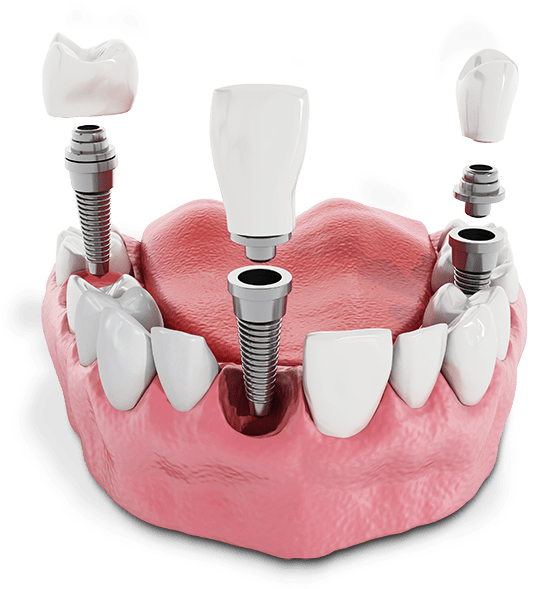
A full-arch dental implant restoration replaces every tooth in the upper, lower, or both arches, using a custom number of titanium implant posts surgically placed into the jawbone. Those posts serve as permanent anchors for a full-arch prosthesis, a complete set of fixed teeth that does not come in and out, does not shift or slip, and does not require adhesives of any kind.
Because the implants are integrated directly into the bone, they stimulate the jaw the same way natural tooth roots do, preserving your bone density and maintaining the natural shape of your face over time. This is something no traditional denture can offer. The result is a complete, fully functioning smile that looks natural, feels secure, and is built to last for decades.
I understand the information disclosed in this form may be subject to re-disclosure and may no longer be protected by HIPAA privacy regulations and the HITECH Act.